In brief, a home equity loan or a home equity line of credit lets you borrow using your home’s equity as collateral. Typically, because you’re using your equity as collateral, a home equity loan features a great low rate.
Keep reading below to learn more about what goes into applying for a home equity loan. If you have additional questions or if you’re ready to apply, reach out to our home equity specialist today.
Contact a home equity specialist
Quick links:
How does a home equity loan work?
A home equity loan lets you borrow money using your home’s equity (the difference between your home’s value and what you owe on your mortgage) as collateral.
- How much you can borrow: Lenders typically allow you to borrow a percentage of your home’s equity, often up to 80–85 percent. Arsenal lets you borrow up to 100 percent.
- Repayment: You repay the loan in regular monthly payments that include both principal and interest.
- Common uses: Home improvements, debt consolidation, or large expenses.
- Key risk: Because your home is used as collateral, failure to repay could result in foreclosure.
What’s the difference between a standard home equity loan and a home equity line of credit?
You receive the funds for a home equity loan in one lump sum. A HELOC is a revolving line of credit you can draw from as needed.
- Interest rates: Home equity loans are typically fixed rate. HELOCs usually feature a variable rate that can change over time.
- Repayment: A home equity loan features fixed monthly payments over a set term. A HELOC features a draw period (interest-only payments often), followed by a repayment period.
- Best for: Home equity loans are great for a large, one-time expense. A HELOC is best for ongoing, unpredictable costs like home renovations.
What happens after I repay a home equity loan?
- Loan is fully paid off: You’ve satisfied both the principal and interest owed.
- Lien is released: The lender removes its legal claim (lien) from your home title.
- Full ownership restored: You now have full equity in your home (aside from your primary mortgage, if applicable).
- No more payments: Your monthly home equity loan payments stop.
- Credit impact: Consistent on-time payments can positively impact your credit profile.
- Future borrowing: You may be able to apply for a new home equity loan if needed later.
Note: A HELOC gives you ongoing access to funds up to your approved credit limit during the draw period. You can borrow as needed, repay the balance and borrow again. Lines that remain inactive for an extended period may be subject to closure
What documents are needed for a home equity loan?
- Proof of identity: Government-issued ID (driver’s license or passport)
- Proof of income: Recent pay stubs, W-2s, or tax returns
- Employment information: Employer details or verification of employment
- Mortgage statement: Shows current loan balance and payment history
- Property information: Home value estimate or appraisal
- Credit information: Authorization for a credit check
- Debt details: List of current debts (credit cards, loans, etc.)
- Bank statements: To verify assets and financial stability
What fees should I expect in a home equity loan?
Closing costs* for a home equity loan are between $500 to $1,500. At Arsenal, you pay no closing costs when you keep your loan with us for at least 36 months.
- Appraisal fee: Determines your home’s current value.
- Title search and insurance: Confirms ownership and protects the lender.
- Loan origination fee: Covers processing and underwriting.
- Credit report fee: For checking your creditworthiness.
- Recording fees: Paid to file the lien with the local government.
- Document or underwriting fees: Covers administrative preparation and review.
*Closing costs may be waived; however, if you withdraw your application, are unable to proceed, or close out the loan within 36 months, you will be responsible for third-party fees incurred. Credit union membership and qualifications are required. Loan terms and conditions depend on credit qualifications and approval.
Can credit score affect my loan rate?
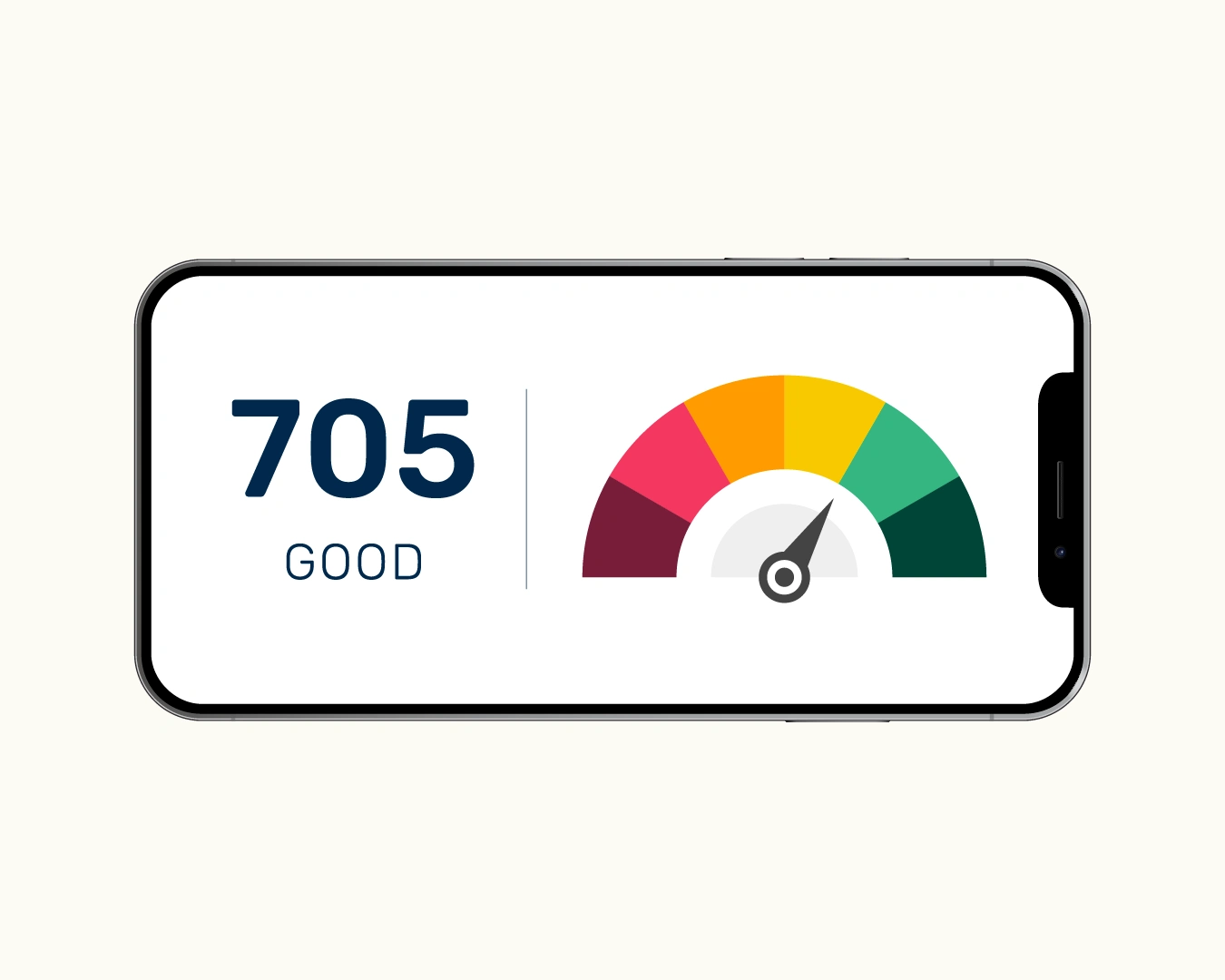
Yes, your credit score can directly affect your rate. Even a small rate difference can significantly affect how much you pay over time.
- A higher score equals lower rates: Strong credit signals less risk to lenders, often qualifying you for better interest rates.
- Lower credit score equals higher rates. Lenders may charge more to offset perceived risk.
- Approval impact: A very low score could make it harder to qualify at all.
- Terms and limits: Better credit may also mean higher borrowing limits and more favorable terms.