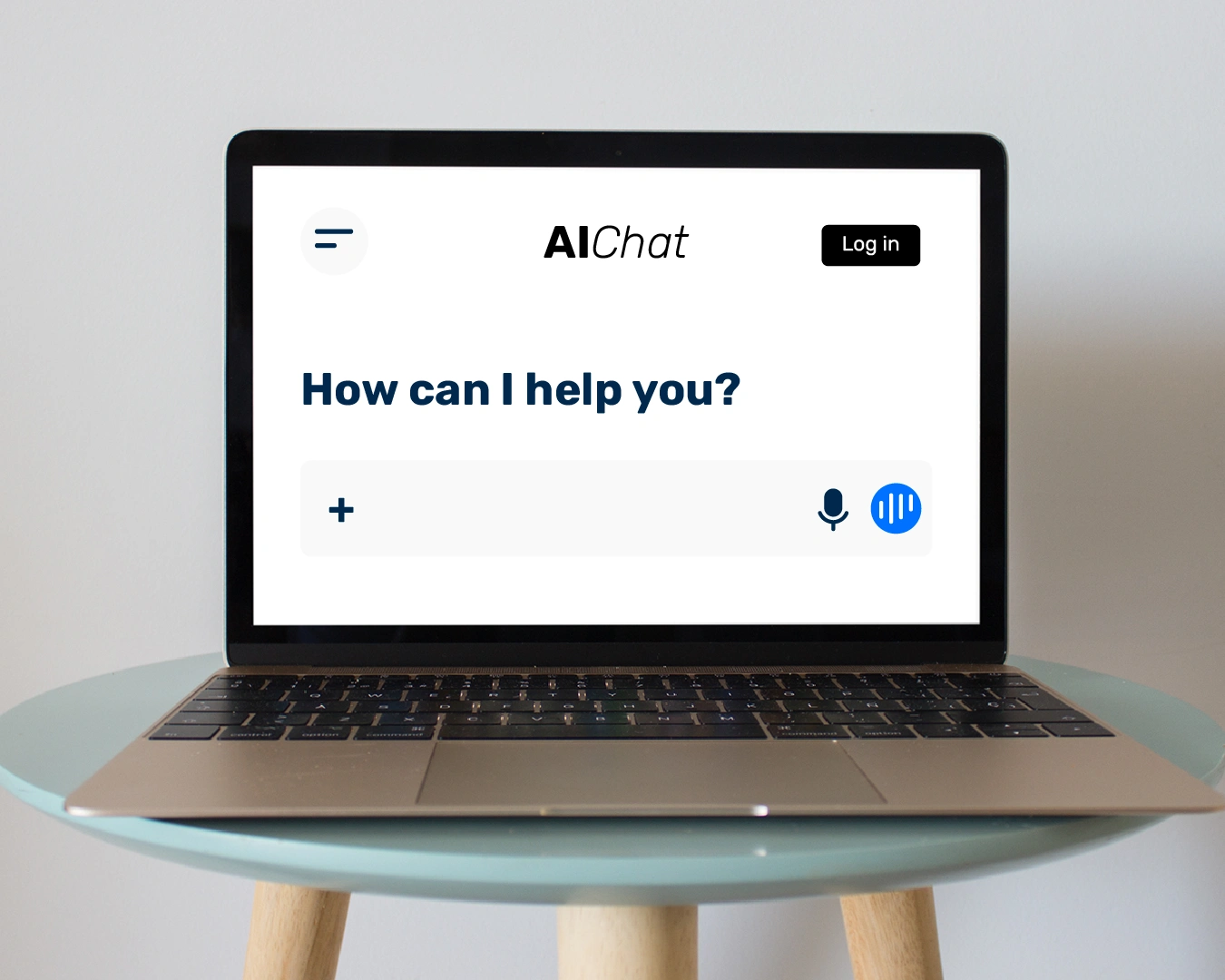
Did you know that ChatGPT has over 900 million weekly active users around the world? Users send about 2.5 billion prompts through the Large Language Model (LLM) on a daily basis. That’s not even counting users on competing models such as Claude and Google Gemini.
There’s no doubt that AI tools are amazing for increasing productivity, answering questions fast, and generating goofy images you can post for your friends and family.
It may seem like you’re talking to a confidential, private assistant most of the time, but that’s far from the truth. These AI tools use your data to train its models. What you ask can show up for users in future results.
Whether to use these tools is a personal choice, but it’s always important to never share your personal identifying information.
- Financial details: Credit card numbers, bank account numbers, tax returns, debit card PINs
- Personal identifiers: Social Security numbers, passport information, home addresses, your mother’s maiden name
- Passwords and credentials: Anything you use to login to any of your accounts anywhere on the internet. This includes usernames, passwords, and multi-factor authentication codes
- Medical information: Remember that AI tools are not HIPAA compliant. There is no patient-doctor confidentiality with ChatGPT. Never share your medical exam results, therapy results, prescription information, etc.
- Proprietary work information: Your place of work should have an AI policy in place for you to securely use a commercially licensed tool when you’re on the clock. Never share your work information with a consumer version of an AI product.
Quick Links:
Why you should never share sensitive information with AI
- As stated above, AI tools use your data to train future models. For every question you ask or file you upload, these companies use your information to build future models that deliver more exceptional results. If you reveal personal information, it could end up in future results.
- AI companies also employ humans to review chat logs to improve the quality of the software. Anything that you ask or upload could be seen by them.
- Any software company is prone to hacking, leaks, and breaches. If someone gets into the database of one of these companies, your personal information is up for grabs.
Protect your privacy using AI tools
There are many hacks you use to make sure your personal information stays safe every time you use AI.
- Turn off model training: There should be a setting in your tool of choice that lets you opt out of training the Large Language Model. Look for this setting under the Data Controls or Privacy options.
- Use Incognito mode: If this is available, turn it on so your chats aren’t saved to your history.
- Be as vague as possible: The odds are good that you’ll find the answers you’re looking for if you keep personal information vague. Remove any names, account numbers, addresses, and specific locations before using AI.
- Delete your history: Take a minute to delete your old chats and threads. The less you have in your history, the less of a chance your information could become compromised.
Other tips to stay safe in the world of AI
AI is really really good at impersonating. Voices, videos, websites, text messages, and every other form of communication can be spoofed by AI.
It’s always important to never share your personal information with anyone who reaches out to you and asks for it. Arsenal representatives (and reps from other organizations) will never reach out to ask for your usernames, passwords, account numbers, etc.
If someone reaches out to you for this information, stop the conversation and reach out to the organization directly. If it’s someone pretending to be a friend or family member, also reach out to them directly. If you suspect fraud, you can always report it to the Federal Trade Commission.