Since 2007, Veteran Saves Week (formerly Military Saves Week) has been an annual celebration as well as a call to action for the for the military community to learn how to start saving money and reducing debt.
Veterans Saves Week gives veterans, transitioning service members, and their families a chance to:
- Reflect on their financial habits and goals.
- Explore savings strategies that fit their lifestyle.
- Learn about emergency savings, debt reduction, housing readiness, and employment-related decisions.
- Commit to a personal savings goal by taking the Veteran Saves Pledge and receive guidance and support throughout the year.
Below we’ve curated a few resources designed to help financial education messages to those who’ve served. If you know anyone in your life who could benefit from these resources, we encourage you to share with them.
Quick links:
Starting where you are: Saving when money feels out of reach
Saving money is often presented as a simple formula: spend less, save more. The reality is usually more complicated.
For many Veterans, service members, and military families, financial plans are built around periods of change. A PCS move, a transition to civilian employment, retirement, a change in benefits, a medical issue, or an unexpected expense can quickly alter household finances. A savings plan that worked well a year or two ago may no longer reflect current priorities.
View resource
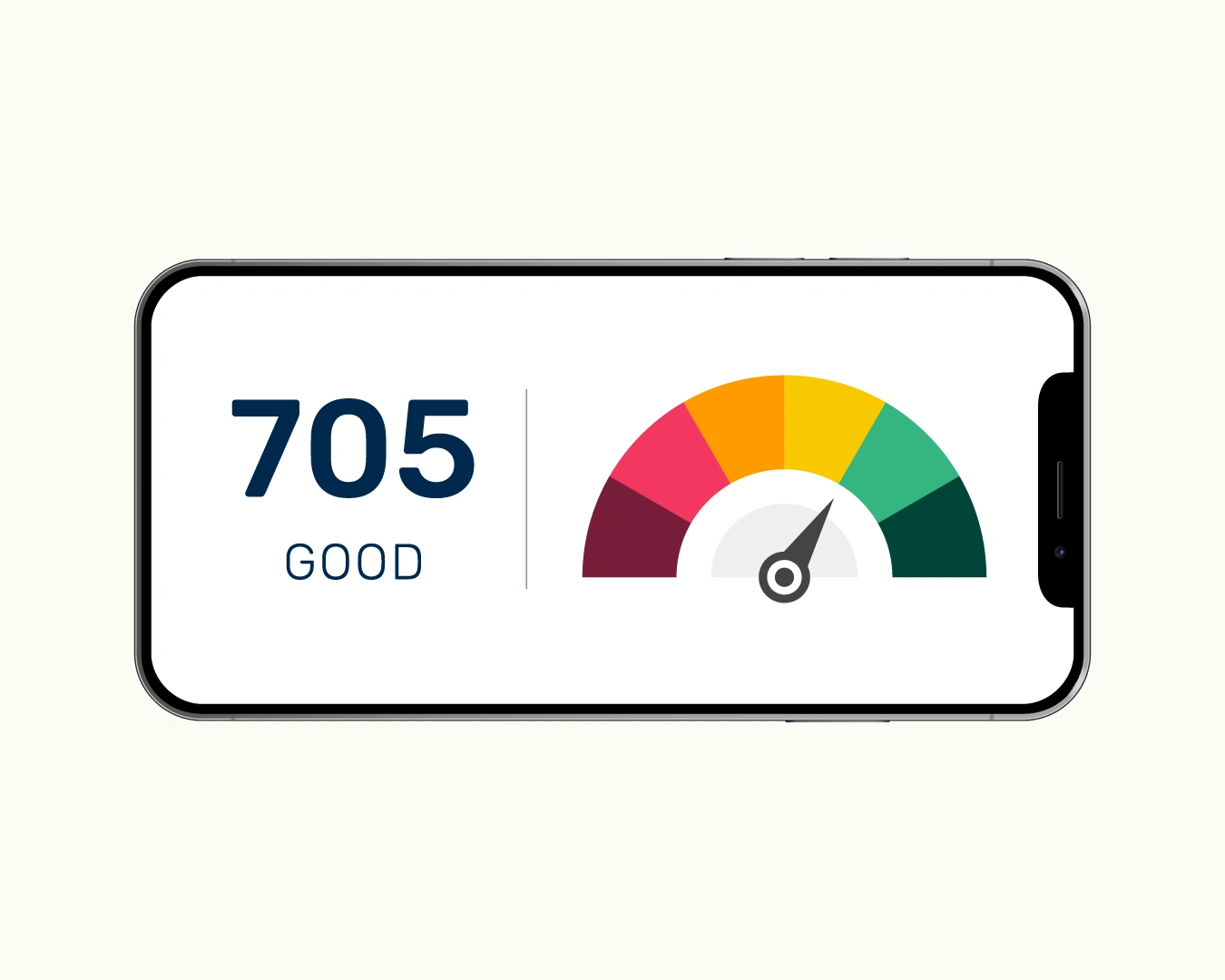
Debt repayment: Increasing your credit score
Having a healthy credit file and good score is imperative to building a secure financial foundation. Not only is it necessary to obtain loans for certain purchases, but it’s also used to judge other aspects of our lives.
In addition to lenders, insurance companies, landlords and employers check credit. In the military, that also means your credit rating could affect your security clearance, so, maintaining a healthy credit report and score is extremely important these days.
View resource
Smart financial planning for veterans entering the civilian workforce
Transitioning from military service to a civilian career marks a significant change, requiring a strategic approach to managing finances. For Veterans, this shift means adapting to different financial realities and making the most of the benefits available.
View resource
Your housing payment isn’t the whole cost of where you live
Sometimes the biggest cost isn’t another bill. It’s how little room your housing leaves for everything else.
Housing affects much more of your financial life than what you send to a landlord or mortgage company each month. Utilities, insurance, transportation, maintenance, repairs, fees, moving costs, and changes in property taxes all shape what it actually costs to live somewhere.
For Veterans and service members, housing decisions often come with an added layer, whether that’s a PCS move, a VA loan with no down payment, a new duty station, or the transition into civilian life.
View resource