Buying a home is one of the biggest financial decisions you’ll ever make. While the process can feel overwhelming at first, breaking it down into manageable steps can help you move forward with confidence. Whether you’re a first-time buyer or getting back into the market, preparation is the key to a smoother home-buying experience. Have you begun to financially prepare for homeownership? Our experts are ready with tips for buying a house whenever you’re ready.
Quick links:
Start by evaluating your finances
Before you begin scrolling through listings, take a close look at your financial situation. Understanding what you can afford will help you avoid disappointment and make informed decisions. Consider the following:
- Review your monthly income and expenses.
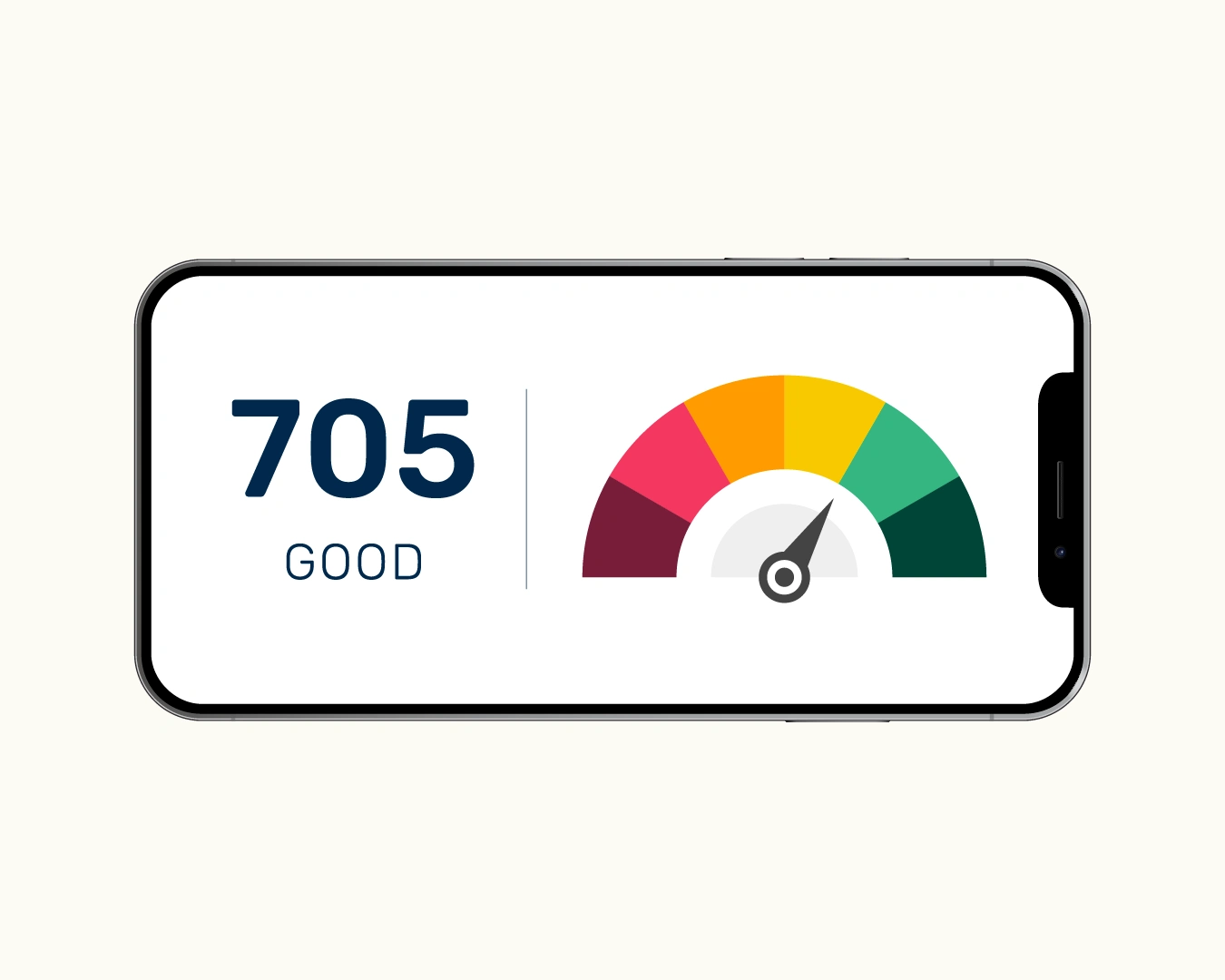
- Check your credit score and credit report.
- Pay down high-interest debt when possible.
- Build an emergency fund separate from your home savings.
- Estimate how much you can comfortably afford for a monthly mortgage payment.
Remember that homeownership involves more than a mortgage payment. Property taxes, insurance, utilities, maintenance, and repairs all contribute to the overall cost.
Save for upfront costs
Many buyers focus on their monthly payment but overlook cash needed to complete the purchase. Common upfront expenses include:
- Down payment
- Earnest money deposit
- Closing costs
- Home inspection fees
- Moving expenses
Creating a dedicated savings plan can help you reach your target faster. Even if you qualify for a low down payment program, having additional savings can provide valuable financial flexibility after you move in.
Get preapproved for a mortgage
A mortgage preapproval helps you understand your borrowing power and shows sellers that you’re serious. To get preapproved, lenders typically review:
- Income and employment history
- Credit score
- Debt-to-income ratio
- Bank statements and assets
You can apply online for a preapproval. Because getting a mortgage is a huge financial milestone, feel free to contact us with any questions you have. We’re here to help you get into your home.
Define what you want in a home
Before touring properties, spend time identifying your priorities. Create a list that includes:
- Must-haves: Number of bedrooms and bathrooms, preferred location, desired school district, commute requirements
- Nice-to-haves: Large backyard, finished basement, home office space, updated kitchen
Knowing your priorities can help you stay focused and avoid making emotional decisions during your search.
Work with a trusted real estate professional
A knowledgeable real estate agent can guide you through the buying process, negotiate on your behalf, and help you identify potential concerns with properties. A good agent can help you:
- Understand local market conditions.
- Schedule home tours.
- Prepare offerrs.
- Navigate paperwork and deadlines.
- Coordinate with lenders and inspectors.
Having an experienced professional in your corner can make a significant difference throughout the transaction.
Inspect before you buy
Once your offer is accepted, a home inspection is one of the most important steps. An inspection can reveal issues such as:
- Roofing problems
- Plumbing concerns
- Electrical defects
- Foundation issues
- HVAC system deficiencies
Review the inspection report carefully and discuss any concerns with your agent. In some cases, you may be able to negotiate repairs or credits before closing.
Prepare for closing and beyond
As closing day approaches, stay organized and responsive to requests from your lender and title company.
- Avoid taking on new debt.
- Review your final loan documents.
- Complete a final walkthrough of the property.
- Confirm your moving plans.
After you receive the keys, remember that homeownership is an ongoing responsibility. Building a maintenance budget and staying on top of routine upkeep can help protect your investment for years to come.